Vietnamese heritage family photos are not only portraits in ao dai. They are a way to turn names, places, clothing and family objects into a visual story that children and relatives can understand later. For families living abroad, mixed-culture households or travelers returning to Vietnam, the strongest session usually starts with one question: what part of our Vietnamese story should this album remember?
This guide focuses on storytelling and heritage identity, not only rental or sightseeing. Start with heritage photoshoot planning when the whole idea should be shaped around family history. If clothing matters, compare options on costume rental. For makeup, outfit guidance and photography in one calm flow, see Glow-Up Day.
Begin with the family story, not the pose list
A useful brief is simple: who is in the album, where the family comes from, which language is spoken at home, which elder should be honored and what children should be able to ask about years later. The answer may be a grandmother's southern ao dai style, a father's favorite street, a family name, a migration story or a small object carried across countries.
Once the story is clear, posing becomes easier. Parents can hold an old photo. Grandparents can sit while children stand close. A child can learn how the ao dai moves before the camera starts. The goal is not to make everyone look frozen and formal. The goal is to create images that feel composed, respectful and readable as family memory.
Choose ao dai and colors with meaning
Ao dai works well for Vietnamese heritage portraits because it gives the album an immediate cultural line. For elders, a classic cut and calmer color often feels dignified. For parents, soft neutrals, navy, deep red, ivory or pastel tones can connect modern family style with tradition. Children need comfort first: fabric that is not too hot, shoes they can walk in and enough time to get used to the outfit.
Families do not need to match exactly. A shared palette looks more natural than identical clothing. One person can wear ao dai while another wears a simple shirt or dress in the same color family. If you want cultural styling without guessing sizes and fabric, use costume rental as the planning step and share height, shoulder fit, modesty preference and walking comfort before the day.
Pick locations that carry a story
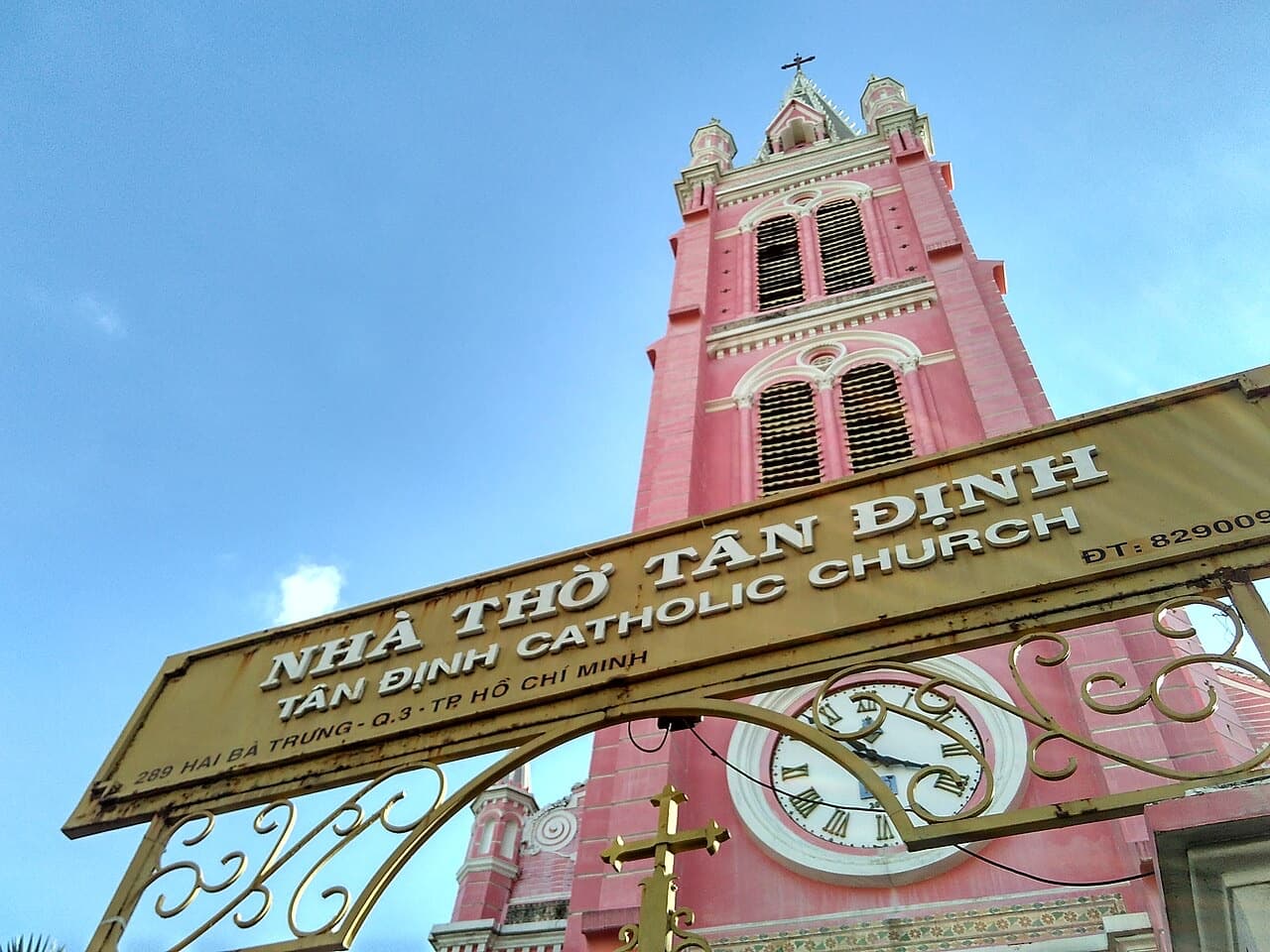
The best location is not always the most famous landmark. A family heritage route can use a church exterior, an old house area, a market gate, a quiet alley, a riverside path, a family neighborhood or a cafe where elders can rest. Saigon gives bright city movement and old facades. Hanoi gives lake light, French Quarter lines and northern heritage texture. Hoi An gives color and lanterns, but it should still be connected to your family's story rather than treated as a costume backdrop only.
Keep the route compact. Children and grandparents usually photograph better when the walk is short and shaded. If a place is religious, private or crowded, ask before shooting and keep respectful distance. A calmer side wall or doorway can say more about heritage than a busy landmark where the family feels rushed.
Use heirlooms and small props carefully
Objects can make a Vietnamese family album more specific: a black-and-white portrait, a handwritten recipe, an old letter, a small silk scarf, a wedding ring, a prayer bead, a family book, a childhood toy or a souvenir from a hometown visit. These props should not turn the shoot into a stage set. Use only a few items and give each one a clear role in the story.
Before the session, decide which object is safe to carry outside and which should be photographed indoors. Fragile photos can be copied or placed in a protective sleeve. Jewelry should be kept simple and secure. If children are included, let them hold an item only when it is light and not breakable. The best prop is the one that helps someone ask, whose was this?
Build the album like a short family chapter
Think in sequences: a clean group portrait, elders alone, parents with children, siblings together, details of hands and fabric, walking frames, one quiet object photo and a final image where everyone relaxes. This rhythm helps the album feel like a story instead of a random folder of good images.
For overseas Vietnamese families, add one image that can sit beside an older family photo at home. For mixed families, include gestures that show both closeness and cultural context: a parent adjusting a child's collar, grandparents explaining the outfit, everyone walking together through a Vietnamese street. For young children, keep the story simple: this is where we come from, these are the people who love us, and this is why the clothing and place matter.
Plan a calm session for children and elders
Heritage sessions need a slower pace than fashion shoots. Choose morning or late afternoon, keep water nearby, plan a short seated break and avoid too many outfit changes. If elders are present, protect shade, seating and walking distance. If children are present, begin with the easiest frames before asking for formal poses.
A guided team can help coordinate clothing, route, makeup and family flow without making the day feel heavy. When you are ready, use Glow-Up half-day booking if you want more time for styling and family pacing, or keep the plan shorter if the group includes very young children.
FAQ
What makes a Vietnamese heritage family photoshoot different?
It starts from family story, clothing, place and objects, not only pretty backgrounds. The images should help relatives understand where the family comes from and what should be remembered.
Does everyone need to wear ao dai?
No. One or several family members can wear ao dai while others use coordinated modern clothing. Comfort and story are more important than identical outfits.
Which locations are best for heritage family photos?
Choose places connected to the family's story: old streets, meaningful neighborhoods, heritage architecture, quiet cafes, riverside paths or a family home area when access is appropriate.
Can we bring heirlooms or old photos?
Yes, if they are safe to carry. Use only a few objects and protect fragile items. A copied old photo can work better than bringing the original outside.
How do we help children understand the photos later?
Build the album with simple captions, names, places and short family notes. The pictures become easier to explain when each scene has a clear reason.